Alternative Fuels
Alternative Fuels in Luxembourg:
Powering the Future of Sustainable Logistics
Introduction
As Luxembourg advances towards its objective of climate neutrality by 2050, alternative fuels are becoming a cornerstone of the country's decarbonisation strategy. While electrification is expected to play a significant role in passenger transport and light commercial vehicles, many logistics and freight operations require additional solutions capable of meeting demanding operational requirements. Luxembourg's National Energy and Climate Plan (PNEC) therefore promotes a diversified approach that includes renewable electricity, hydrogen, biofuels and other low-carbon energy carriers. [gouvernement.lu], [environnem....public.lu]
For the logistics sector, alternative fuels offer a practical pathway to reduce greenhouse gas emissions while maintaining operational efficiency and supply chain reliability. As customer expectations, regulatory requirements and sustainability commitments continue to evolve, the adoption of cleaner fuels is becoming a strategic business priority.
What Are Alternative Fuels?
Alternative fuels are energy sources that can replace conventional fossil fuels such as diesel, petrol and heavy fuel oil. Their primary objective is to reduce carbon emissions, improve air quality and support the transition towards a more sustainable transport system.
The main alternative fuels currently being deployed or evaluated across Europe include:
- Renewable electricity
- Green hydrogen
- Biofuels and advanced biofuels
- Biomethane and renewable natural gas
- Sustainable aviation fuels (SAF)
- Synthetic e-fuels produced from renewable energy
Each solution offers unique advantages and is suited to different transport applications, ranging from urban deliveries to long-haul trucking, aviation and multimodal freight operations.
Hydrogen:
A Promising Solution for Heavy Transport
Hydrogen is widely considered one of the most promising alternative fuels for sectors that are difficult to electrify, particularly heavy-duty freight transport, industrial operations and certain aviation applications.
Luxembourg has identified hydrogen as a strategic component of its long-term decarbonisation roadmap through the development of a national hydrogen strategy and its integration into the country's climate and energy planning. [environnem....public.lu], [commission.europa.eu]
Green hydrogen is produced through electrolysis using renewable electricity and offers several advantages:
- Zero tailpipe emissions when used in fuel-cell vehicles.
- Fast refuelling compared with large battery systems.
- Long driving ranges suitable for international freight transport.
- Potential integration with industrial decarbonisation efforts.
Although challenges remain regarding infrastructure deployment, production costs and market maturity, hydrogen is expected to become an important pillar of Europe's future logistics ecosystem.
Biofuels and Renewable Fuels
Biofuels provide an immediate opportunity to reduce emissions from existing vehicle fleets without requiring major infrastructure or vehicle modifications. Produced from biological feedstocks such as waste oils, agricultural residues and organic waste streams, sustainable biofuels can significantly lower lifecycle greenhouse gas emissions compared with conventional fossil fuels.
Advanced biofuels are particularly attractive because they:
- Can be integrated into existing engines.
- Reduce dependency on fossil fuels.
- Support circular economy principles.
- Offer a transition solution while zero-emission technologies continue to scale.
For many logistics operators, biofuels represent a practical short- and medium-term option to reduce emissions while preparing for future technologies such as hydrogen and electrification.
Biomethane and Renewable Natural Gas
Biomethane is produced through the treatment of organic waste, agricultural residues and other renewable feedstocks. When used as a transport fuel, it can substantially reduce greenhouse gas emissions compared with conventional diesel.
Key benefits include:
- Lower carbon footprint.
- Reduced particulate emissions.
- Compatibility with existing gas-powered vehicle technologies.
- Contribution to local circular economy initiatives.
For logistics companies operating regional transport fleets, biomethane may provide an effective transitional pathway towards more sustainable operations while supporting waste valorisation and renewable energy production.
Sustainable Aviation Fuels (SAF)
As home to one of Europe's leading air cargo hubs, Luxembourg has a particular interest in the development of Sustainable Aviation Fuels (SAF). Aviation remains one of the most challenging sectors to decarbonise, and SAF is viewed as one of the most realistic pathways for reducing emissions from air freight and passenger aviation in the coming decades.
SAF can:
- Reduce lifecycle carbon emissions significantly compared with conventional jet fuel.
- Be used within existing aircraft fleets.
- Support compliance with evolving European aviation sustainability requirements.
- Enable air cargo operations to reduce their environmental footprint.
The development of SAF production capacity across Europe is expected to play an increasingly important role in supporting the decarbonisation of international logistics networks.
Electrification Remains Essential
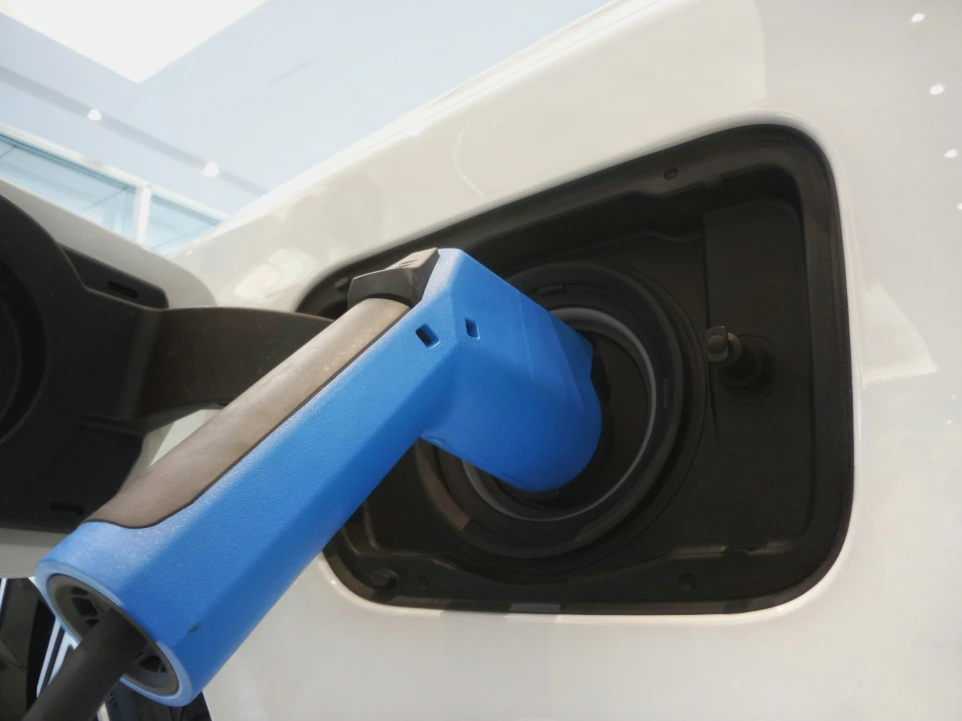
Although electricity is not traditionally classified as a fuel, battery-electric mobility remains one of the most effective decarbonisation solutions for many logistics applications. Luxembourg's climate strategy places strong emphasis on expanding electromobility, supported by renewable energy generation and charging infrastructure deployment. [gouvernement.lu], [environnem....public.lu], [klima-agence.lu]
Battery-electric vehicles are particularly suitable for:
- Urban deliveries.
- Last-mile logistics.
- Municipal service fleets.
- Light commercial transport.
As battery technologies continue to improve, electric vehicles will play an increasingly significant role in reducing logistics emissions.
Challenges to Adoption
Despite their significant potential, alternative fuels face several challenges:
Infrastructure Development
Refuelling and charging infrastructure must expand rapidly to support wider deployment of alternative fuel technologies.
Cost Competitiveness
Many low-carbon fuels remain more expensive than traditional fossil fuels, particularly during the early stages of market development.
Technology Maturity
Some solutions, especially hydrogen and synthetic fuels, require further technological advancement and scale-up.
Regulatory Frameworks
Clear policies, incentives and harmonised European standards are essential to encourage investment and accelerate adoption.
Addressing these challenges will require close collaboration between governments, energy providers, infrastructure operators and logistics companies.
Opportunities for Luxembourg's Logistics Sector
Luxembourg's strategic location at the heart of Europe creates a unique opportunity to position itself as a leader in sustainable freight transport and alternative fuel innovation.
Potential areas of leadership include:
- Hydrogen-powered logistics corridors.
- Sustainable aviation fuel development.
- Multimodal low-carbon freight solutions.
- Green warehousing and energy integration.
- Cross-border alternative fuel infrastructure deployment.
- Research and innovation partnerships.
Through continued investment, collaboration and innovation, the Luxembourg logistics ecosystem can play a leading role in Europe's transition towards net-zero mobility.
Looking Ahead
There is no single solution to transport decarbonisation. The future logistics landscape will likely rely on a combination of technologies, including battery-electric vehicles, hydrogen, biofuels, biomethane and sustainable aviation fuels. Luxembourg's climate and energy strategy recognises the importance of this diversified approach and actively supports the development of multiple low-carbon pathways. [gouvernement.lu], [environnem....public.lu], [commission.europa.eu]
Knowledge Hub Takeaway
Alternative fuels are not simply substitutes for fossil fuels
—they are enablers of the future sustainable logistics ecosystem. By embracing a diversified energy mix and investing in innovative technologies, Luxembourg can strengthen its role as a leading European logistics hub while accelerating the transition towards climate-neutral transport.