Customs
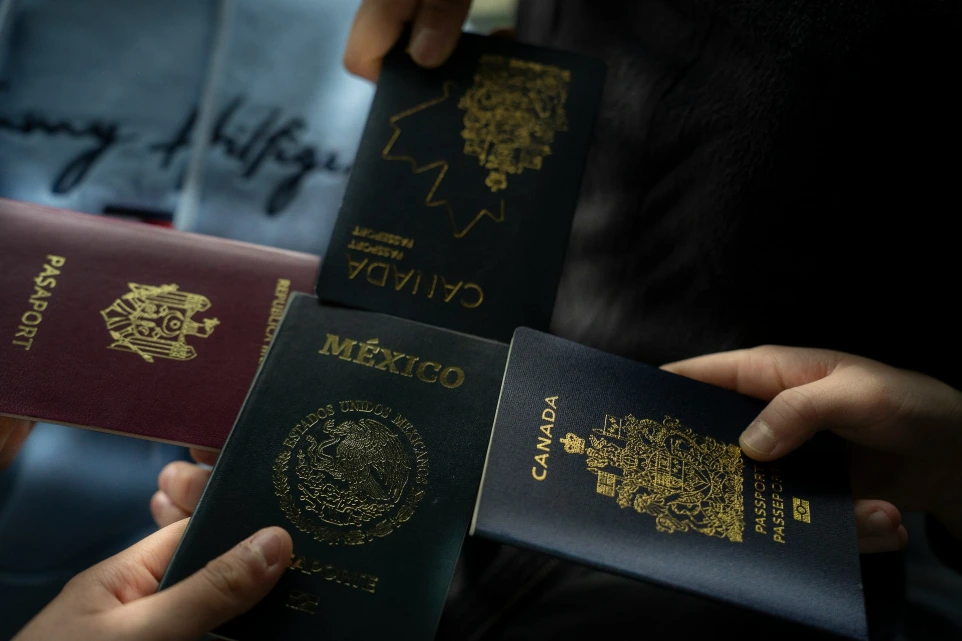
Customs Compliance:
Navigating International Trade with Confidence
Introduction
In today's global economy, customs compliance is a critical component of efficient and secure international trade. Every day, millions of goods cross borders, requiring businesses to comply with a complex framework of customs regulations, trade agreements, security requirements and documentation obligations.
For Luxembourg, strategically located at the heart of Europe and serving as a major logistics and multimodal transport hub, customs expertise is essential for maintaining seamless trade flows and supply chain efficiency. As global trade regulations continue to evolve, customs compliance has become more than an administrative requirement
—it is a strategic business function that directly impacts competitiveness, operational performance and risk management.
A Regulatory & Compliance Center dedicated to customs can help businesses navigate this increasingly complex landscape by providing guidance, knowledge sharing, training and best practices to ensure compliance while facilitating international trade.
What is Customs Compliance?
Customs compliance refers to the process of ensuring that goods crossing international borders meet all applicable customs laws, regulations and procedures.
This includes:
- Accurate customs declarations
- Correct tariff classification
- Rules of origin compliance
- Valuation of goods
- Import and export documentation
- Duties and taxes management
- Trade sanctions compliance
- Security and safety requirements
Failure to comply can result in delays, financial penalties, audits, shipment seizures and reputational damage.
Why Customs Compliance Matters
In an increasingly interconnected world, supply chains depend on predictable and efficient border procedures.
Effective customs compliance helps businesses:
✅ Avoid customs penalties and fines
✅ Reduce border delays
✅ Improve supply chain efficiency
✅ Enhance trade security
✅ Manage regulatory risks
✅ Benefit from preferential trade agreements
✅ Strengthen customer trust
✅ Improve operational resilience
For logistics providers, customs expertise is a key value-added service that supports customers engaged in international trade.
Luxembourg's Strategic Position
Luxembourg's location at the crossroads of major European markets makes customs compliance particularly important.
As a significant hub for:
- Air cargo
- Road freight
- Rail freight
- E-commerce logistics
- International distribution
Luxembourg facilitates the movement of goods between Europe and global markets.
Companies operating through Luxembourg must manage customs requirements both within the European Union and with international trading partners, making customs expertise a critical success factor.
Key Areas of Customs Compliance
Tariff Classification
Every product imported or exported must be assigned a customs classification code.
Correct classification determines:
- Applicable duties
- Taxes
- Trade restrictions
- Regulatory requirements
- Statistical reporting obligations
Errors in classification can lead to underpayment or overpayment of duties and potential penalties.
Customs Valuation
Customs authorities require goods to be accurately valued to determine applicable customs duties and taxes.
Customs valuation includes consideration of:
- Transaction value
- Shipping costs
- Insurance
- Royalties and license fees
- Transfer pricing arrangements
Accurate valuation ensures regulatory compliance and reduces audit risks.
Rules of Origin
Rules of origin determine where a product is considered to have been manufactured or substantially transformed.
Origin impacts:
- Duty rates
- Preferential trade agreements
- Market access conditions
- Trade restrictions
Understanding origin requirements is essential for maximizing the benefits of free trade agreements.
Import and Export Documentation
International trade relies heavily on accurate documentation.
Common customs documents include:
- Commercial invoices
- Packing lists
- Certificates of origin
- Transport documentation
- Customs declarations
- Import and export licenses
Incomplete or inaccurate documentation often results in customs delays and additional costs.
Authorized Economic Operator (AEO)
One of the most important customs programs available to businesses engaged in international trade is the Authorized Economic Operator (AEO) status.
AEO certification demonstrates that a company maintains high standards of:
- Customs compliance
- Supply chain security
- Internal controls
- Risk management
Benefits may include:
- Simplified customs procedures
- Reduced inspections
- Faster border clearance
- Enhanced international recognition
For logistics service providers and international traders, AEO certification can provide a valuable competitive advantage.
Customs and Supply Chain Security
Global supply chains face increasing security challenges, making customs security programs more important than ever.
Businesses must address risks related to:
- Cargo security
- Counterfeit goods
- Illicit trade
- Sanctions compliance
- Dual-use goods controls
- Cybersecurity risks
A strong customs compliance framework contributes to both regulatory compliance and overall supply chain resilience.
Customs Compliance and Digitalisation
Technology is transforming customs management.
Modern customs operations increasingly rely on:
Electronic Customs Declarations
Digital filing systems improve efficiency, accuracy and transparency.
Automated Compliance Systems
Automated solutions help businesses:
- Verify tariff classifications
- Calculate duties
- Monitor regulatory changes
- Generate compliance reports
Data Analytics
Advanced analytics enable organizations to identify compliance risks and improve customs performance.
Artificial Intelligence (AI)
AI is increasingly being used to support customs risk assessment, document verification and regulatory monitoring.
Digitalization is helping companies reduce administrative burdens while improving compliance accuracy.
Customs and Sustainability
As sustainability becomes a growing business priority, customs processes are increasingly intersecting with environmental regulations.
Businesses must now consider:
- Carbon-related regulations
- Sustainable supply chain requirements
- Product traceability
- ESG disclosure obligations
- Environmental compliance standards
Future customs frameworks are expected to play a greater role in supporting sustainable trade and climate objectives.
Emerging Customs Challenges
International trade is becoming more complex due to:
Geopolitical Developments
Global political changes can rapidly impact tariffs, sanctions and market access conditions.
Regulatory Changes
Customs regulations continue to evolve at national, European and international levels.
E-Commerce Growth
The rise of cross-border e-commerce creates new customs management challenges due to increasing shipment volumes and complexity.
Supply Chain Disruptions
Organizations must remain agile and prepared to respond to changing customs requirements and border procedures.
The Role of a Regulatory & Compliance Center
A dedicated Regulatory & Compliance Center can support logistics companies and international traders through:
Regulatory Intelligence
Monitoring customs and trade developments.
Training and Education
Providing professional development opportunities for customs and compliance professionals.
Best Practice Sharing
Supporting knowledge exchange across the industry.
Risk Management Support
Helping organizations identify and mitigate customs-related risks.
Compliance Guidance
Providing practical resources, tools and expertise to improve customs performance.
Such a center helps businesses remain informed, compliant and competitive in an increasingly complex global trade environment.
Skills Required for Customs Professionals
The customs profession is evolving rapidly.
Modern customs and trade professionals increasingly require expertise in:
- International Trade Regulations
- Customs Procedures
- Tariff Classification
- Rules of Origin
- Risk Management
- Data Analytics
- Digital Customs Platforms
- Trade Compliance
- Supply Chain Security
- Sustainability Regulations
Continuous learning is essential to keeping pace with regulatory developments.
Why Customs Expertise Will Continue to Grow in Importance
Despite advances in technology and trade facilitation, customs remains one of the most critical functions within international supply chains.
As regulations become more complex and businesses face increasing pressure to manage compliance risks, demand for customs expertise is expected to grow.
Organizations that invest in customs knowledge, digital tools and professional development will be better positioned to:
- Accelerate cross-border trade.
- Reduce compliance costs.
- Improve supply chain resilience.
- Maintain regulatory compliance.
- Enhance customer service.
Knowledge Hub Takeaway
Customs compliance is the foundation of successful international trade. By understanding customs regulations, managing compliance risks and embracing digital solutions, businesses can achieve smoother border operations, reduce costs and strengthen supply chain resilience. For Luxembourg's logistics ecosystem, customs expertise is a strategic capability that supports competitiveness, trade facilitation and sustainable economic growth.