Data Analytics
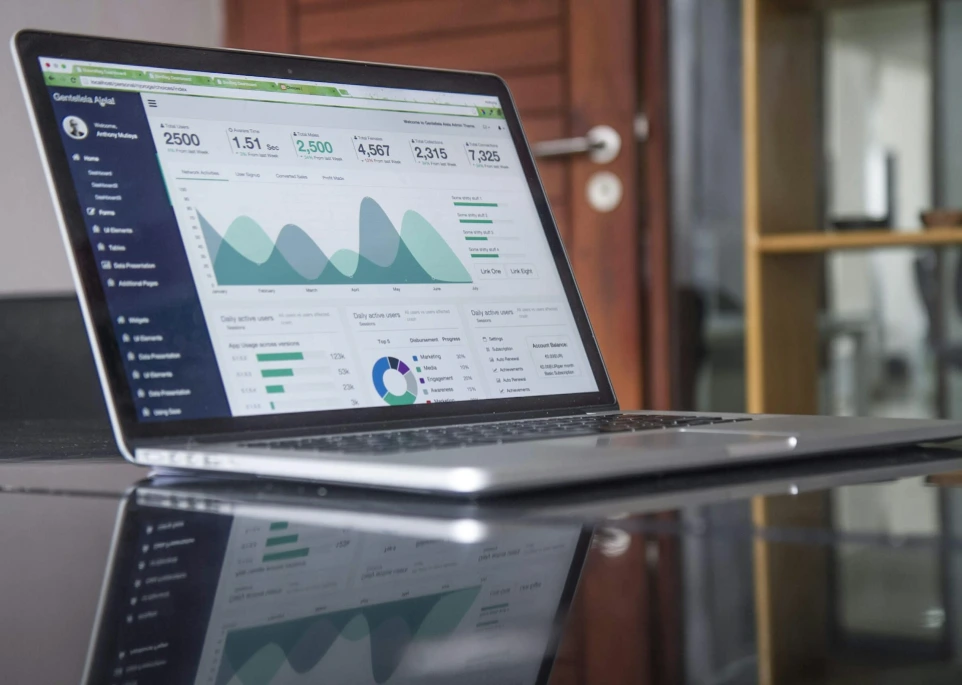
Understanding Data Analytics in Logistics
What is Data Analytics in Logistics?
Every day, logistics operations generate enormous amounts of data—from customer orders, inventory levels, warehouse activities, transportation movements, delivery performance, customs transactions, and supplier interactions.
However, data alone has little value unless it can be transformed into meaningful insights.
Data Analytics in Logistics is the process of collecting, organizing, analyzing, and interpreting logistics and supply chain data to improve decision-making, optimize operations, reduce costs, and enhance customer service.
Data Analytics helps organizations answer critical questions such as:
- Where are operational bottlenecks occurring?
- Why are deliveries delayed?
- How much inventory should be maintained?
- Which transportation routes are most efficient?
- What customer demand can be expected in the future?
"Data is the new fuel of logistics. Analytics is the engine that transforms it into business value."
Why Data Analytics Matters
Modern supply chains are becoming increasingly:
- Global
- Complex
- Connected
- Customer-centric
- Data-driven
Organizations that effectively use data analytics can move from reactive decision-making to predictive and proactive management.
Data Analytics helps organizations:
✅ Improve visibility
✅ Reduce costs
✅ Increase efficiency
✅ Enhance customer satisfaction
✅ Improve forecasting accuracy
✅ Strengthen resilience
✅ Support strategic decision-making
The Role of Data Analytics in Logistics
Data Analytics enables organizations to understand both operational performance and future opportunities.
Inventory Optimization
Analyze inventory patterns and improve stock management.
Transportation Performance
Monitor routes, costs, and delivery reliability.
Warehouse Efficiency
Measure storage utilization, productivity, and throughput.
Demand Forecasting
Predict future customer demand and market trends.
Supply Chain Visibility
Provide end-to-end transparency across operations.
Risk Management
Identify disruptions and operational risks before they occur.
Types of Data Analytics
1. Descriptive Analytics
Answers:
"What happened?"
Descriptive analytics examines historical data to understand past performance.
Examples
- Monthly delivery performance
- Transportation costs
- Inventory levels
- Warehouse productivity
Benefits
✅ Operational visibility
✅ Performance reporting
✅ KPI tracking
2. Diagnostic Analytics
Answers:
"Why did it happen?"
Analyzes root causes behind events and trends.
Examples
- Why deliveries were delayed
- Causes of inventory shortages
- Reasons for increased freight costs
Benefits
✅ Problem identification
✅ Better corrective actions
✅ Improved decision-making
3. Predictive Analytics
Answers:
"What is likely to happen?"
Uses historical and real-time data to forecast future outcomes.
Examples
- Demand forecasting
- Delivery delay prediction
- Capacity forecasting
- Inventory planning
Benefits
✅ Better planning
✅ Reduced risk
✅ Greater accuracy
4. Prescriptive Analytics
Answers:
"What should we do?"
Provides recommendations based on analytics and optimization models.
Examples
- Best transportation route
- Optimal inventory levels
- Resource allocation recommendations
Benefits
✅ Faster decisions
✅ Improved optimization
✅ Better business outcomes
Key Applications of Data Analytics in Logistics
Inventory Management
Analytics helps organizations determine:
- How much inventory to hold
- Where inventory should be located
- When replenishment is required
Benefits
✅ Reduced stockouts
✅ Lower carrying costs
✅ Better inventory visibility
Transportation Analytics
Transportation generates large volumes of operational data.
Key analyses include:
- Route efficiency
- Carrier performance
- Fleet utilization
- Delivery times
- Freight spend
Benefits
✅ Cost reduction
✅ Improved service levels
✅ Better resource utilization
Warehouse Analytics
Warehouse managers use analytics to evaluate:
- Storage utilization
- Order picking performance
- Labor productivity
- Inventory movement
Benefits
✅ Increased productivity
✅ Higher throughput
✅ Better capacity planning
Demand Forecasting
Forecasting combines:
- Historical sales
- Market trends
- Seasonal patterns
- External factors
Benefits
✅ Better planning
✅ Improved customer service
✅ Reduced excess inventory
Last-Mile Delivery Optimization
Analytics supports:
- Route planning
- Delivery windows
- Driver productivity
- Customer service
Benefits
✅ Faster delivery
✅ Lower costs
✅ Improved customer satisfaction
Supply Chain Risk Management
Analytics identifies risks related to:
- Suppliers
- Transportation networks
- Market fluctuations
- Geopolitical events
Benefits
✅ Increased resilience
✅ Faster response times
✅ Better business continuity
Key Data Sources in Logistics
Modern logistics analytics relies on information from multiple sources.
Warehouse Management Systems (WMS)
Provides data on:
- Inventory
- Picking
- Packing
- Storage utilization
Transportation Management Systems (TMS)
Provides data on:
- Shipments
- Carriers
- Delivery performance
- Transportation costs
Enterprise Resource Planning (ERP)
Provides data on:
- Orders
- Procurement
- Financial transactions
- Customers
IoT Devices
Provide real-time operational information through:
- Sensors
- GPS devices
- Fleet telematics
- Smart equipment
Customer Data
Includes information on:
- Purchasing behavior
- Service requirements
- Satisfaction levels
External Data Sources
Examples include:
- Weather information
- Traffic conditions
- Economic indicators
- Market trends
Why Organizations Invest in Data Analytics
Better Visibility
Analytics provides a clearer understanding of logistics performance.
Benefits
✅ Real-time insights
✅ Improved transparency
✅ Better control
Faster Decision-Making
Leaders gain access to accurate information when needed.
Benefits
✅ Reduced response times
✅ Increased agility
✅ Improved planning
Cost Optimization
Analytics identifies inefficiencies and improvement opportunities.
Benefits
✅ Lower transportation costs
✅ Reduced inventory expenses
✅ Improved asset utilization
Enhanced Customer Experience
Data-driven insights improve service quality.
Benefits
✅ Better delivery performance
✅ Improved communication
✅ Higher satisfaction levels
Improved Resilience
Analytics helps organizations anticipate disruptions.
Benefits
✅ Greater preparedness
✅ Faster recovery
✅ Reduced operational risk
Key Challenges of Data Analytics
1. Data Quality
Poor-quality data can lead to poor decisions.
Challenges
- Missing information
- Inconsistent data
- Duplicate records
Impact
- Inaccurate analysis
2. Data Silos
Information often exists in separate systems.
Impact
- Limited visibility
- Reduced collaboration
3. Technology Integration
Organizations must connect multiple platforms and data sources.
Impact
- Increased complexity
4. Skills and Expertise
Successful analytics requires capabilities in:
- Data science
- Business intelligence
- Supply chain management
Impact
- Talent shortages
5. Change Management
Organizations must embrace data-driven decision-making.
Impact
- Cultural challenges
- Adoption barriers
Data Analytics Best Practices
1. Establish Clear Business Objectives
Start with key business questions.
Examples:
- How can delivery performance improve?
- How can inventory costs be reduced?
Benefits
✅ Greater focus
✅ Better ROI
2. Build Strong Data Governance
Ensure data is:
- Accurate
- Consistent
- Secure
- Accessible
Benefits
✅ Reliable insights
✅ Increased trust
3. Create a Single Source of Truth
Integrate data across systems.
Benefits
✅ Better visibility
✅ Improved collaboration
✅ Faster decision-making
4. Use Real-Time Dashboards
Provide operational visibility through interactive dashboards.
Benefits
✅ Faster actions
✅ Improved monitoring
✅ Better performance management
5. Combine Analytics with AI
Analytics explains what is happening.
AI predicts what will happen next.
Benefits
✅ Smarter decisions
✅ Predictive capabilities
✅ Greater operational agility
6. Develop a Data-Driven Culture
Encourage decision-making based on facts rather than assumptions.
Benefits
✅ Improved performance
✅ Continuous improvement
✅ Greater innovation
Data Analytics and AI: The Perfect Partnership
Data Analytics and AI work together to create intelligent logistics operations.
Data Analytics
Provides:
- Insights
- Performance monitoring
- Trend analysis
- KPI reporting
Artificial Intelligence
Provides:
- Predictions
- Recommendations
- Automation
- Optimization
Together they enable:
✅ Predictive supply chains
✅ Real-time optimization
✅ Intelligent logistics networks
✅ Autonomous decision support
"Analytics tells you what happened. AI helps determine what comes next."
Future Trends in Logistics Analytics
Predictive Analytics
Forecasting future supply chain events with greater accuracy.
Augmented Analytics
AI automatically analyzing data and generating insights.
Real-Time Supply Chain Visibility
Continuous monitoring across global logistics networks.
IoT-Powered Analytics
Combining sensor data with advanced analytics.
Digital Control Towers
Centralized monitoring and decision-making platforms.
Self-Service Analytics
Enabling employees to access insights without technical expertise.
Key Performance Indicators (KPIs)
Organizations commonly monitor:
| KPI | Purpose |
|---|---|
| On-Time Delivery Rate | Measures service performance |
| Inventory Turnover | Evaluates inventory efficiency |
| Forecast Accuracy | Measures planning effectiveness |
| Transportation Cost per Shipment | Tracks cost optimization |
| Warehouse Productivity | Measures operational efficiency |
| Order Fulfillment Time | Evaluates speed |
| Customer Satisfaction Score | Measures customer experience |
| Perfect Order Rate | Tracks overall service quality |
"You cannot manage what you cannot measure, and you cannot improve what you do not understand."
Data Analytics in the Digital Supply Chain
The future supply chain will be:
✅ Data-driven
✅ Predictive
✅ Intelligent
✅ Connected
✅ Transparent
✅ Automated
✅ Customer-centric
Data Analytics serves as the foundation for Digital Transformation, AI, Automation, IoT, Digital Twins, and other advanced supply chain technologies.
Key Takeaway
Data Analytics in Logistics is the process of transforming operational data into actionable insights that help organizations optimize performance, reduce costs, improve customer service, mitigate risks, and make smarter business decisions.
Think About It
Every shipment, inventory movement, warehouse activity, customer order, and transportation event generates valuable data. Organizations that can collect, analyze, and act on this information gain a powerful competitive advantage. In the modern supply chain, success is no longer driven solely by moving goods—it is driven by understanding the data behind every move.