Electric Fleet Deployment
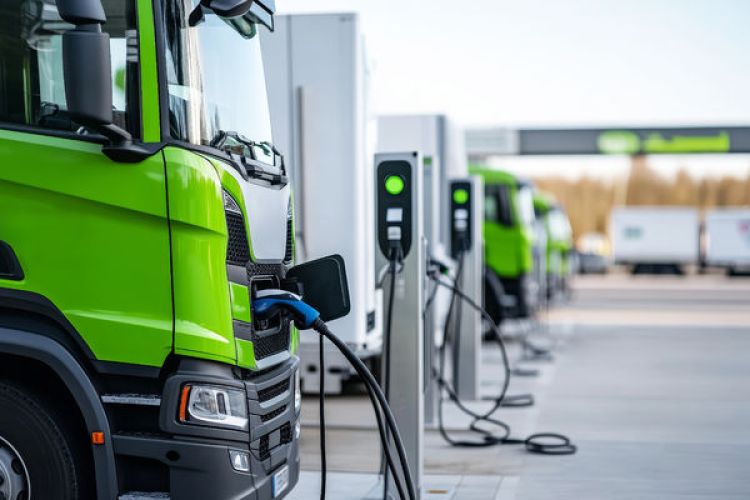
Sustainability
– Electric Fleet Deployment
Challenge
The transportation sector is under increasing pressure to reduce carbon emissions, comply with environmental regulations, and meet corporate sustainability commitments. Traditional diesel-powered fleets contribute significantly to greenhouse gas emissions, fuel consumption, noise pollution, and operating costs.
At the same time, customers, investors, and regulators increasingly expect logistics providers to demonstrate measurable progress toward sustainable transportation solutions without compromising service quality, delivery performance, or operational efficiency.
Solution
– What Was Implemented?
An electric fleet deployment program was implemented to support the organization's sustainability strategy while modernizing transportation operations.
Fleet Electrification
Diesel-powered delivery vehicles were progressively replaced with electric vehicles (EVs) across urban, regional, and last-mile delivery operations.
The deployment included:
- Electric delivery vans
- Electric light-duty trucks
- Electric service vehicles
- Zero-emission urban distribution vehicles
Vehicle selection was optimized based on route profiles, payload requirements, charging infrastructure availability, and operational needs.
Charging Infrastructure
A dedicated charging network was established across logistics facilities and distribution centers to support fleet operations.
The infrastructure included:
- Fast-charging stations
- Overnight charging facilities
- Smart charging management systems
- Energy monitoring and reporting tools
This ensured reliable vehicle availability while optimizing energy consumption and charging costs.
Intelligent Fleet Management
A digital fleet management platform was introduced to monitor:
- Vehicle performance
- Battery health
- Energy consumption
- Charging cycles
- Route efficiency
- Fleet utilization
Real-time data enabled proactive maintenance planning and continuous performance optimization.
AI-Based Route Optimization
Electric vehicles were integrated with route optimization systems designed to consider:
- Battery range
- Charging station locations
- Traffic conditions
- Delivery priorities
- Energy efficiency
This ensured maximum vehicle utilization and reliable service delivery.
Renewable Energy Integration
Where feasible, charging operations were supported through renewable energy sources such as solar installations and green electricity contracts, further reducing the overall environmental footprint.
Driver Training and Change Management
Comprehensive training programs were delivered to drivers and operations teams covering:
- Efficient EV driving techniques
- Battery management
- Charging procedures
- Safety requirements
- Sustainable driving practices
This supported smooth adoption and maximized operational benefits.
Results
– What Measurable Improvements Occurred?
Environmental Impact
- 30–70% reduction in transportation-related CO₂ emissions
- Significant reduction in local air pollutants
- Reduced noise emissions in urban delivery areas
- Lower overall environmental footprint of transportation operations
Energy Efficiency
- 40–70% lower energy costs compared to conventional fuel-powered vehicles
- Improved energy utilization through smart charging
- Reduced dependence on fossil fuels
- Higher fleet energy efficiency
Operating Cost Reduction
- 15–30% reduction in vehicle operating costs
- Lower maintenance requirements due to fewer moving parts
- Reduced fuel expenditure
- Improved total cost of ownership over vehicle lifecycle
Fleet Performance
- Increased reliability through predictive maintenance monitoring
- Improved vehicle availability
- Enhanced fleet utilization through optimized scheduling
- Better visibility into vehicle performance and operating metrics
Regulatory Compliance
- Improved compliance with environmental legislation and low-emission zone requirements
- Support for corporate ESG objectives
- Stronger alignment with national and international sustainability initiatives
Customer and Brand Benefits
- Enhanced corporate reputation as a sustainable logistics provider
- Increased customer confidence and stakeholder trust
- Stronger competitive differentiation in environmentally conscious markets
- Improved support for customers' sustainability goals
Business Impact
The electric fleet deployment initiative transformed transportation operations into a more sustainable, efficient, and future-ready logistics network.
Key Outcomes
✅ Significant reduction in CO₂ emissions
✅ Lower fuel and maintenance costs
✅ Compliance with evolving environmental regulations
✅ Improved operational efficiency
✅ Reduced noise and air pollution
✅ Enhanced brand reputation and ESG performance
✅ Increased transportation sustainability
✅ Future-proof logistics operations
By transitioning to electric vehicles, the organization successfully reduced its environmental impact while maintaining operational excellence, creating a cleaner, more efficient transportation network that supports long-term sustainability and business growth.