Green Warehousing
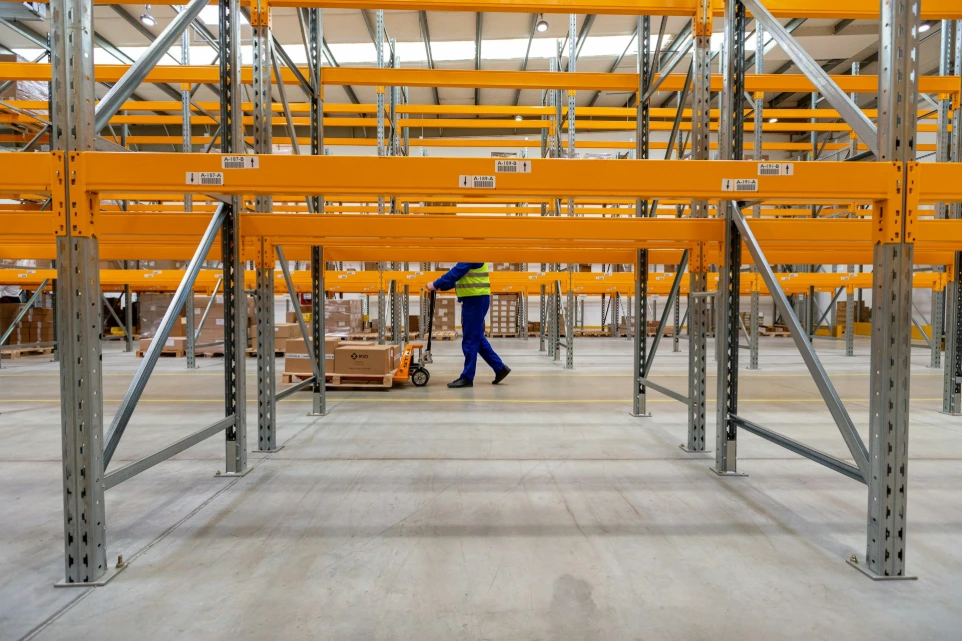
Green Warehousing:
The Foundation of Sustainable Logistics
Introduction
As companies accelerate their sustainability efforts, warehouses are emerging as critical assets in the transition towards greener and more efficient supply chains. Traditionally viewed as storage and distribution facilities, modern warehouses are increasingly becoming strategic centres for sustainability, innovation and operational excellence.
Green Warehousing refers to the design, construction and operation of warehouses in a way that minimises environmental impact while maximising efficiency and productivity. By reducing energy consumption, lowering carbon emissions, optimising resource use and integrating renewable energy solutions, green warehouses contribute significantly to both corporate sustainability goals and national decarbonisation ambitions.
For Luxembourg, a leading European logistics hub, green warehousing represents a key opportunity to strengthen competitiveness while supporting the country's transition towards a low-carbon economy.
What is Green Warehousing?
Green warehousing involves implementing environmentally responsible practices throughout warehouse operations, infrastructure and supply chain activities.
The objective is to create facilities that:
- Consume less energy.
- Generate lower carbon emissions.
- Minimise waste.
- Improve resource efficiency.
- Support circular economy principles.
- Promote employee wellbeing.
- Increase operational performance.
Green warehouses are designed to balance economic efficiency with environmental responsibility, delivering long-term benefits for businesses, communities and the planet.
Why Green Warehousing Matters
Warehouses are major consumers of energy due to lighting, heating, cooling, automation systems and material handling equipment. As e-commerce, international trade and logistics activities continue to grow, the environmental footprint of warehousing operations becomes increasingly significant.
Implementing green warehousing practices helps organizations:
- Reduce operational costs.
- Lower greenhouse gas emissions.
- Improve energy efficiency.
- Meet ESG and sustainability objectives.
- Comply with environmental regulations.
- Enhance brand reputation.
- Increase resilience against rising energy costs.
In addition to environmental benefits, green warehouse initiatives often deliver substantial financial savings through improved efficiency and reduced resource consumption.
Energy Efficiency:
The Cornerstone of Green Warehousing
Energy consumption represents one of the largest environmental impacts of warehouse operations.
LED Lighting Systems
Replacing conventional lighting with LED technology can significantly reduce electricity consumption while improving lighting quality and workplace safety.
Benefits include:
- Lower energy consumption.
- Reduced maintenance costs.
- Longer operational lifespan.
- Improved visibility for warehouse personnel.
Motion sensors and smart lighting controls further optimise energy usage by ensuring lighting is only used when required.
Smart Building Management Systems
Modern warehouses increasingly rely on intelligent energy management systems that monitor and optimise:
- Heating
- Ventilation
- Air conditioning (HVAC)
- Lighting
- Equipment performance
Real-time monitoring enables operators to identify inefficiencies and continuously improve energy performance.
Renewable Energy Integration
One of the most visible characteristics of green warehouses is the use of renewable energy.
Solar Energy
Warehouse rooftops offer ideal conditions for large-scale photovoltaic installations.
Benefits include:
- Reduced carbon emissions.
- Lower electricity costs.
- Greater energy independence.
- Support for corporate decarbonisation targets.
In Luxembourg and across Europe, logistics operators are increasingly transforming warehouse roofs into renewable energy generation assets.
Energy Storage Solutions
Battery storage systems can complement renewable energy production by storing excess electricity for later use, improving energy resilience and reducing reliance on external energy sources.
Sustainable Warehouse Design
Sustainability begins at the construction stage.
Green warehouse buildings often incorporate:
Sustainable Construction Materials
Environmentally responsible construction materials can reduce the carbon footprint of warehouse developments.
Examples include:
- Recycled steel.
- Sustainably sourced timber.
- Low-carbon concrete.
- Recycled insulation materials.
Energy-Efficient Building Envelopes
High-performance insulation, efficient windows and advanced building materials minimise heat loss and reduce energy demand.
Natural Lighting
Skylights and daylight harvesting systems reduce dependence on artificial lighting while creating healthier working environments.
Electrification of Warehouse Operations
Warehouse equipment is increasingly transitioning from fossil fuel-powered systems to electric alternatives.
Examples include:
Electric Forklifts
Electric material handling equipment offers several advantages:
- Zero local emissions.
- Lower maintenance requirements.
- Reduced noise pollution.
- Improved indoor air quality.
Charging Infrastructure
As logistics companies electrify both warehouse equipment and vehicle fleets, charging infrastructure becomes an integral component of future-ready warehouse facilities.
Waste Reduction and Circular Practices
Green warehousing extends beyond energy efficiency to include responsible resource management.
Sustainable Packaging Management
Warehouses can reduce waste through:
- Packaging optimisation.
- Reusable packaging systems.
- Recycling programmes.
- Reduction of single-use materials.
Material Recovery and Recycling
Dedicated collection and sorting systems help recover valuable materials such as:
- Cardboard.
- Plastic packaging.
- Pallets.
- Electronic equipment.
These practices support circular economy objectives by keeping resources in productive use for longer periods.
Water Conservation
Water management is another important aspect of sustainable warehousing.
Initiatives may include:
- Rainwater harvesting systems.
- Water-efficient sanitation facilities.
- Smart water monitoring systems.
- Landscaping solutions requiring minimal irrigation.
By reducing water consumption, warehouses contribute to broader environmental sustainability goals while lowering utility costs.
Digitalisation and Smart Warehousing
Technology plays a crucial role in achieving sustainability objectives.
Warehouse Management Systems (WMS)
Advanced WMS solutions improve operational efficiency by optimising:
- Inventory placement.
- Picking routes.
- Storage utilisation.
- Order processing.
These efficiencies reduce energy consumption and improve overall productivity.
Internet of Things (IoT)
Connected sensors enable real-time monitoring of:
- Energy usage.
- Indoor climate conditions.
- Equipment performance.
- Occupancy levels.
Data-driven decision-making helps warehouse operators continuously improve environmental performance.
Artificial Intelligence
AI-powered systems can optimise warehouse operations by predicting demand, improving inventory management and reducing unnecessary movements throughout the facility.
Green Warehousing and ESG Reporting
Green warehousing plays a vital role in supporting Environmental, Social and Governance (ESG) objectives.
Warehouses contribute directly to key ESG metrics, including:
- Carbon emissions reduction.
- Renewable energy usage.
- Energy efficiency performance.
- Waste diversion rates.
- Employee health and safety.
- Resource consumption.
As sustainability reporting requirements continue to evolve, investments in green warehousing increasingly support both operational excellence and regulatory compliance.
Opportunities for Luxembourg
Luxembourg's position as an international logistics platform creates significant opportunities to lead the development of sustainable warehousing solutions.
Potential focus areas include:
Carbon-Neutral Logistics Parks
The development of logistics parks powered by renewable energy and designed according to green building principles.
Smart Energy Warehouses
Facilities integrating solar energy production, battery storage and intelligent energy management systems.
Circular Logistics Hubs
Warehouses that support repair, refurbishment, recycling and reverse logistics activities as part of circular supply chain networks.
Sustainable Multimodal Logistics
Green warehousing integrated with rail, road and air transport solutions to minimise overall supply chain emissions.
Challenges to Address
While the benefits are substantial, implementing green warehousing solutions may involve:
- Higher upfront investment costs.
- Technology integration challenges.
- Skills and training requirements.
- Energy infrastructure upgrades.
- Long-term return on investment considerations.
However, declining technology costs and increasing sustainability expectations continue to strengthen the business case for green warehouse investments.
The Future of Green Warehousing
The warehouse of the future will be more than a storage facility. It will function as an intelligent, energy-efficient and highly connected sustainability hub that supports decarbonisation across the entire supply chain.
Future developments are expected to include:
- Net-zero energy warehouses.
- Fully electrified operations.
- Autonomous energy management systems.
- Circular logistics integration.
- Smart building technologies.
- Carbon-neutral logistics campuses.
Organizations that invest in green warehousing today will be better positioned to meet future sustainability requirements while enhancing operational performance and customer value.
Knowledge Hub Takeaway
Green Warehousing is a critical pillar of sustainable logistics. By combining energy efficiency, renewable energy, smart technologies and circular resource management, warehouses can significantly reduce environmental impact while improving operational performance. For Luxembourg's logistics sector, green warehousing represents a strategic opportunity to build resilient, competitive and future-ready supply chains.