How can i reduce
Warehouse emissions?
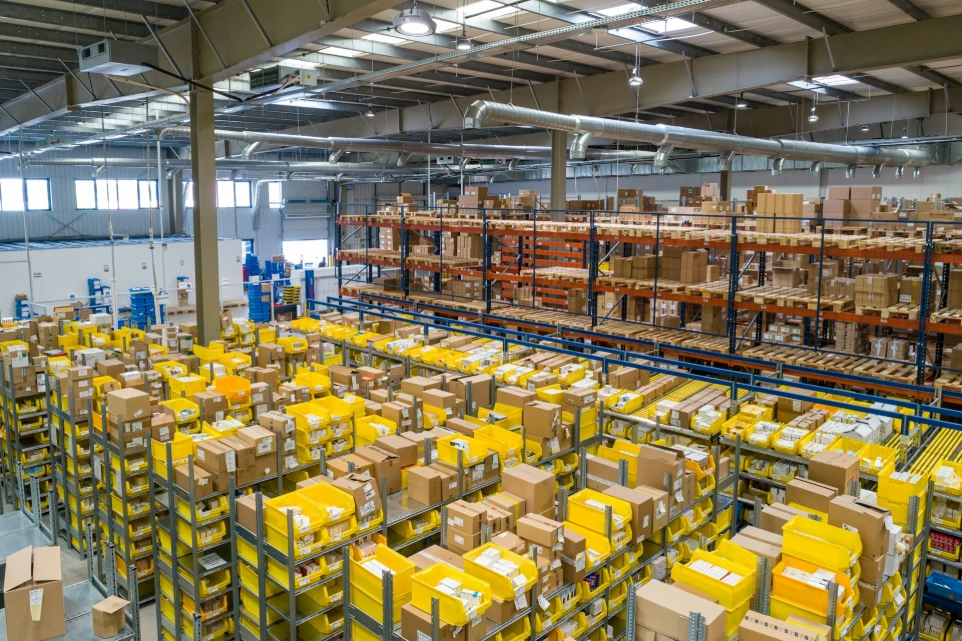
How Can I Reduce Warehouse Emissions?
As sustainability becomes a strategic priority across the logistics sector, warehouses play a critical role in reducing supply chain carbon emissions. The good news is that many emission-reduction initiatives not only support environmental goals but also lower operating costs and improve efficiency.
1. Improve Energy Efficiency
Energy consumption is typically the largest source of warehouse emissions. Upgrading facilities can generate immediate sustainability benefits.
Key actions:
- Replace conventional lighting with LED systems.
- Install smart lighting controls and motion sensors.
- Upgrade HVAC systems to energy-efficient models.
- Improve insulation and building envelope performance.
- Monitor energy use through smart metering systems.
Benefits:
- Lower electricity consumption.
- Reduced operating expenses.
- Improved working conditions.
2. Generate Renewable Energy On-Site
Many warehouses have large roof surfaces that are ideal for solar energy generation.
Options include:
- Rooftop solar photovoltaic (PV) installations.
- Battery storage systems.
- Renewable energy purchasing agreements.
- Participation in green electricity programs.
Solar-powered warehouses can significantly reduce Scope 2 emissions while improving energy independence.
3. Electrify Material Handling Equipment
Diesel and LPG-powered forklifts contribute directly to warehouse emissions.
Consider transitioning to:
- Electric forklifts.
- Electric pallet trucks.
- Automated Guided Vehicles (AGVs).
- Autonomous Mobile Robots (AMRs).
Electric equipment reduces:
- CO₂ emissions
- Air pollution
- Maintenance costs
- Noise levels
4. Optimize Warehouse Layout and Operations
A well-designed warehouse reduces unnecessary movements and energy consumption.
Best practices include:
- Minimizing travel distances.
- Optimizing picking routes.
- Using slotting analysis for fast-moving goods.
- Implementing warehouse management systems (WMS).
- Reducing idle time for equipment.
Small operational improvements can generate substantial energy savings over time.
5. Invest in Automation and Digital Technologies
Modern automation solutions help improve resource utilization while reducing waste.
Examples:
- Automated storage and retrieval systems (AS/RS).
- AI-based inventory optimization.
- Digital twins for warehouse planning.
- Smart sensors and IoT monitoring.
These technologies help minimize unnecessary energy usage and improve overall operational efficiency.
6. Reduce Packaging Waste
Packaging contributes significantly to warehouse-related emissions.
Key initiatives:
- Use recyclable materials.
- Reduce packaging volume.
- Implement reusable packaging systems.
- Optimize box sizes.
- Introduce circular economy practices.
Reduced packaging lowers material consumption and transportation emissions simultaneously.
7. Measure and Manage Carbon Emissions
You cannot improve what you do not measure.
Track:
- Energy consumption
- Fuel usage
- Equipment emissions
- Waste generation
- Carbon intensity per order processed
Establish science-based targets and monitor progress through sustainability dashboards.
8. Promote Sustainable Transportation at the Warehouse
Many warehouse emissions are associated with inbound and outbound transport activities.
Actions include:
- Install EV charging stations.
- Support electric delivery fleets.
- Optimize dock scheduling.
- Increase load consolidation.
- Encourage multimodal transportation solutions.
Collaboration between warehouse and transport operations creates significant carbon reduction opportunities.
9. Reduce Waste and Increase Recycling
A comprehensive waste management program can significantly improve warehouse sustainability.
Examples:
- Cardboard recycling
- Plastic recycling
- Pallet refurbishment
- Waste segregation systems
- Food and organic waste management (where applicable)
The goal should be to move towards a zero-waste warehouse model.
10. Engage Employees in Sustainability
Technology alone cannot deliver sustainability goals.
Successful initiatives include:
- Sustainability training programs.
- Energy-saving awareness campaigns.
- Employee innovation challenges.
- Green KPI integration.
- Recognition programs for sustainable practices.
A sustainability-focused culture often delivers the fastest and most lasting results.
The Bottom Line
The most effective warehouse decarbonization strategy combines energy efficiency, renewable energy, electrification, automation, waste reduction and employee engagement. Organizations that act now can simultaneously reduce emissions, lower costs, improve regulatory compliance and strengthen their competitive position in an increasingly sustainability-driven logistics market.