Last Mile
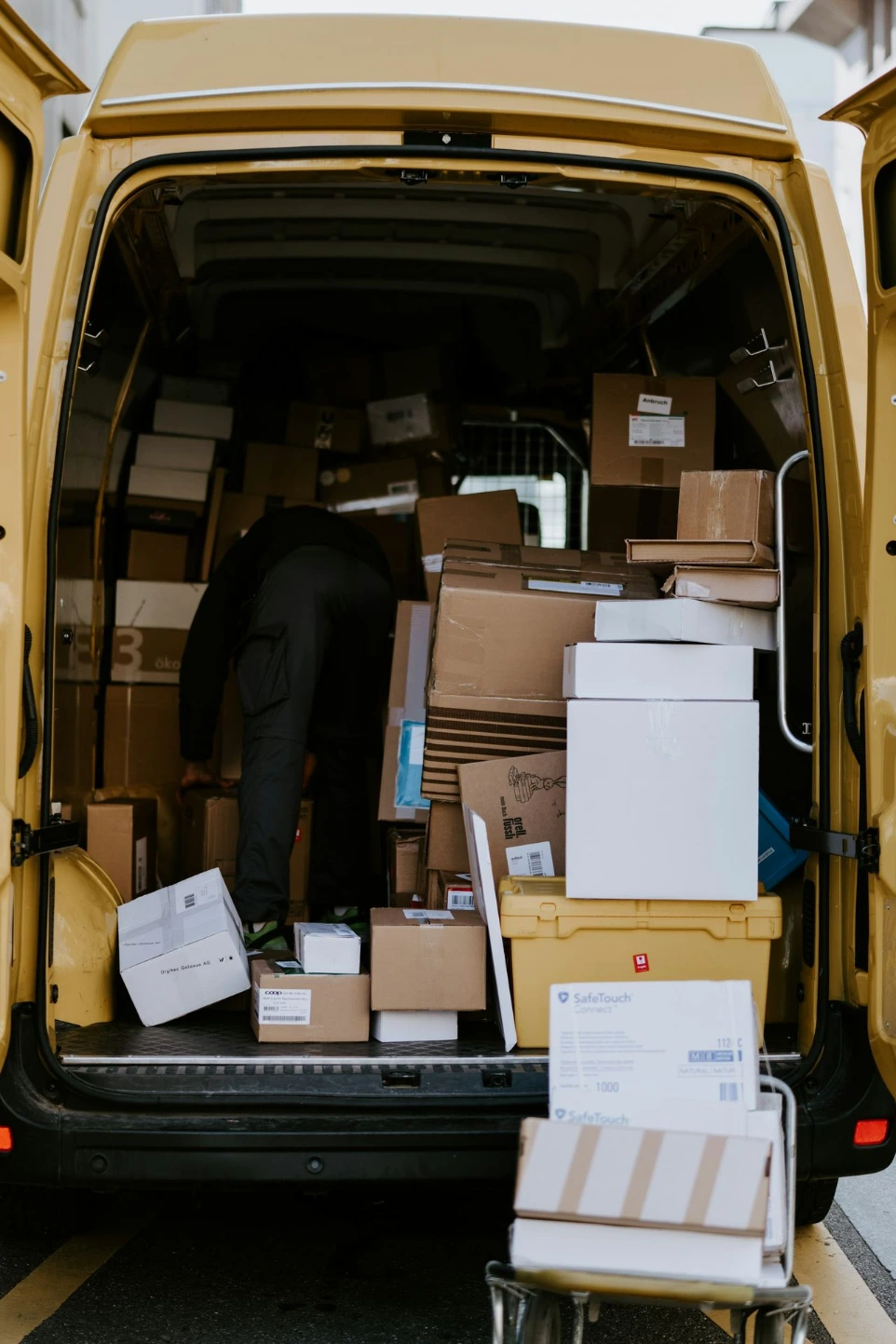
Understanding Last-Mile Delivery
What is Last-Mile Delivery?
Imagine ordering a product online and tracking its journey from a supplier, through warehouses and transportation hubs, all the way to your city. While most of the journey may take days, the final step
—delivering the package from a local distribution center to your home
—is called Last-Mile Delivery.
Last-Mile Delivery refers to the final stage of the supply chain where goods are transported from a warehouse, distribution center, retail store, or fulfillment center directly to the end customer.
Although it is the shortest segment of the supply chain journey, it is often the most complex, expensive, and customer-visible part of the entire logistics process.
"The last mile is where supply chain performance becomes customer experience."
The Role of Last-Mile Delivery in the Supply Chain
Last-mile delivery serves as the final connection between businesses and customers.
Order Fulfillment
Products are picked, packed, and prepared for delivery.
Local Transportation
Shipments move from local hubs to delivery destinations.
Customer Delivery
Products are delivered directly to homes, offices, lockers, or collection points.
Customer Communication
Real-time updates and delivery notifications enhance visibility.
Returns Collection
Many last-mile networks also manage product returns and reverse logistics.
Why is Last-Mile Delivery Important?
In today's customer-centric world, delivery performance often defines the overall customer experience.
✅ Enhances Customer Satisfaction
Fast and reliable deliveries improve customer trust and loyalty.
✅ Creates Competitive Advantage
Many companies compete based on delivery speed and convenience.
✅ Supports E-Commerce Growth
Without effective last-mile operations, online retail cannot scale efficiently.
✅ Increases Brand Reputation
A positive delivery experience strengthens customer perception of a company.
✅ Drives Revenue Growth
Satisfied customers are more likely to reorder and recommend the business.
Characteristics of Last-Mile Delivery
Unlike long-distance transportation, last-mile logistics involves unique challenges.
Urban Density
Deliveries often occur in congested city environments.
Multiple Delivery Points
One vehicle may serve dozens or hundreds of customers daily.
Time-Sensitive Operations
Customers increasingly expect same-day or next-day delivery.
Direct Customer Interaction
Delivery personnel represent the final touchpoint between the company and the customer.
Small Shipment Sizes
Unlike bulk transportation, deliveries typically involve individual orders.
Key Last-Mile Delivery Challenges
As customer expectations continue to rise, organizations face significant operational challenges.
1. High Delivery Costs
Last-mile delivery can account for a large portion of overall transportation expenses.
Cost drivers include:
- Labor
- Fuel
- Vehicle maintenance
- Failed deliveries
- Multiple delivery stops
Impact
- Reduced profit margins
- Increased logistics costs
2. Increasing Customer Expectations
Today's customers demand:
✅ Same-day delivery
✅ Next-day delivery
✅ Real-time tracking
✅ Flexible delivery windows
✅ Instant notifications
Meeting these expectations requires significant operational capabilities.
3. Traffic Congestion
Urban deliveries face:
- Heavy traffic
- Road restrictions
- Limited parking
- Delivery time limitations
Impact
- Delivery delays
- Higher operational costs
- Reduced driver productivity
4. Failed Deliveries
Customers may not be available to receive packages.
Common causes include:
- Incorrect addresses
- Absence at delivery location
- Access restrictions
Impact
- Additional delivery attempts
- Increased costs
- Customer dissatisfaction
5. Last-Mile Visibility
Without real-time visibility, companies struggle to manage delivery performance effectively.
Impact
- Poor customer communication
- Reduced operational control
- Lower service quality
6. Sustainability Pressures
Growing e-commerce volumes increase:
🌱 Vehicle emissions
🌱 Traffic congestion
🌱 Packaging waste
🌱 Energy consumption
Businesses must find environmentally responsible delivery models.
7. Labor Shortages
The logistics industry often faces:
- Driver shortages
- Rising labor costs
- Workforce retention challenges
Impact
- Capacity limitations
- Increased service costs
Last-Mile Delivery Best Practices
Leading organizations implement innovative strategies to improve efficiency and customer experience.
1. Optimize Delivery Routes
Advanced route optimization tools consider:
- Traffic conditions
- Delivery priorities
- Vehicle capacity
- Geographic clustering
Benefits
✅ Reduced mileage
✅ Lower fuel consumption
✅ Faster deliveries
✅ Improved driver productivity
2. Leverage Real-Time Tracking
Modern delivery networks provide:
📡 GPS tracking
📡 Live shipment status
📡 Dynamic ETA updates
📡 Delivery notifications
Benefits
✅ Greater visibility
✅ Improved customer satisfaction
✅ Fewer service inquiries
3. Offer Flexible Delivery Options
Customers increasingly value convenience.
Examples include:
- Time-slot delivery
- Evening delivery
- Weekend delivery
- Click & Collect
- Parcel lockers
- Pickup points
Benefits
✅ Higher delivery success rates
✅ Better customer experience
4. Improve Delivery Density
Consolidating deliveries within specific geographic areas improves efficiency.
Benefits
✅ Lower operating costs
✅ Reduced emissions
✅ Higher route productivity
5. Reduce Failed Deliveries
Strategies include:
- Delivery notifications
- Address verification
- Customer scheduling tools
- Smart lockers
Benefits
✅ Lower costs
✅ Increased first-attempt delivery success
✅ Better customer experience
6. Adopt Sustainable Delivery Solutions
Organizations increasingly invest in:
🌱 Electric vehicles (EVs)
🌱 Cargo bikes
🌱 Alternative fuels
🌱 Micro-fulfillment centers
🌱 Consolidated delivery networks
Benefits
✅ Reduced carbon footprint
✅ Lower fuel costs
✅ Regulatory compliance
7. Use Data Analytics
Analyze delivery data to identify opportunities for improvement.
Examples:
- Route efficiency
- Driver performance
- Delivery delays
- Customer feedback
Benefits
✅ Better planning
✅ Continuous improvement
✅ Increased service quality
8. Enhance Customer Communication
Keep customers informed throughout the delivery journey.
Best practices:
- Delivery confirmation
- Estimated arrival times
- Delay notifications
- Proof of delivery
Benefits
✅ Increased transparency
✅ Improved customer trust
✅ Reduced support calls
Technologies Transforming Last-Mile Delivery
The future of last-mile logistics is increasingly digital and automated.
Artificial Intelligence (AI)
Predicts delivery times, optimizes routes, and improves resource planning.
Mobile Delivery Applications
Provide real-time navigation, proof of delivery, and communication tools.
Internet of Things (IoT)
Tracks vehicles, shipments, and assets in real time.
Delivery Drones
Emerging solutions for rapid delivery in selected environments.
Autonomous Delivery Robots
Support short-distance deliveries in urban and campus environments.
Smart Parcel Lockers
Provide secure, flexible, and contactless collection options.
Delivery Control Towers
Enable real-time visibility and operational decision-making.
Key Performance Indicators (KPIs)
Successful last-mile operations monitor critical metrics such as:
| KPI | Purpose |
|---|---|
| On-Time Delivery Rate | Measures delivery reliability |
| First-Attempt Delivery Success | Measures successful deliveries on first visit |
| Cost per Delivery | Tracks operational efficiency |
| Average Delivery Time | Measures delivery speed |
| Customer Satisfaction Score | Evaluates customer experience |
| Route Efficiency | Measures transport productivity |
| Delivery Accuracy | Tracks service quality |
| CO₂ Emissions per Delivery | Measures sustainability performance |
"Customers may never see your warehouse or transportation network, but they will always remember their delivery experience."
The Future of Last-Mile Delivery
Last-mile delivery is evolving rapidly due to the growth of e-commerce and rising customer expectations.
Future networks will be:
✅ Faster
✅ Smarter
✅ More sustainable
✅ Highly automated
✅ Data-driven
✅ Customer-centric
Companies that successfully balance cost, speed, convenience, and sustainability will lead the next generation of logistics.
Key Takeaway
Last-Mile Delivery is the final stage of the supply chain where products are delivered directly to customers. It is often the most visible, most critical, and most influential part of the customer experience, transforming logistics performance into customer satisfaction.
Think About It
When a customer receives a package on time, in perfect condition, and with full visibility throughout the journey, they may only see a simple delivery. Behind the scenes, however, a sophisticated last-mile operation has coordinated people, vehicles, technology, and processes to make that experience possible.