Modal Shift Success Stories
Sustainability
– Modal Shift Success Stories
Challenge
Road transportation remains the dominant mode of freight movement across many supply chains. While it offers flexibility and speed, it is also associated with higher carbon emissions, increasing fuel costs, road congestion, capacity constraints, and growing regulatory pressures.
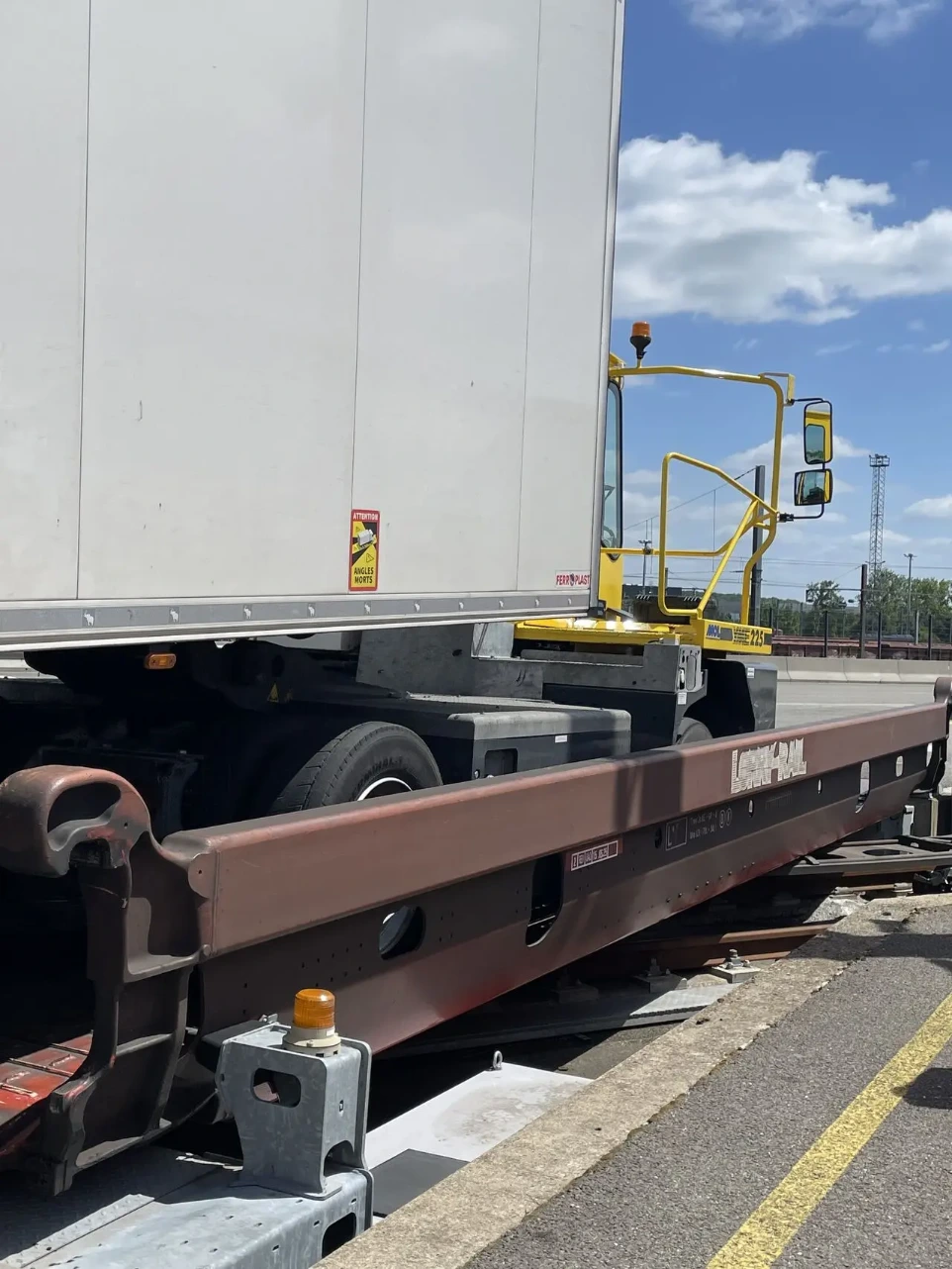
To achieve sustainability targets while maintaining reliable service levels, organizations increasingly evaluate modal shift strategies—transferring freight from road transport to lower-emission alternatives such as rail, inland waterways, and short-sea shipping.
Success Story 1:
Road-to-Rail Conversion for Industrial Manufacturing
Situation
A multinational manufacturer operated a high-volume distribution network moving raw materials and finished goods between production facilities and regional distribution centers.
The majority of shipments were transported by road over distances exceeding 800 kilometers, resulting in:
- High transportation costs
- Significant CO₂ emissions
- Driver dependency
- Capacity shortages during peak periods
Solution
A detailed transportation network analysis identified rail as a viable alternative for long-haul freight movements.
The project included:
- Development of intermodal rail corridors
- Rail terminal integration at distribution hubs
- Containerized freight operations
- AI-driven transport planning
- Real-time shipment tracking
Road transport was retained only for first-mile and last-mile activities.
Results
- 45% reduction in transportation-related CO₂ emissions
- 20% reduction in transportation costs
- 30% decrease in long-haul truck movements
- Improved transportation reliability for scheduled freight lanes
- Enhanced resilience against driver shortages
Business Impact
The shift to rail created a more sustainable transportation network while maintaining delivery performance and reducing logistics costs.
Success Story 2:
Consumer Goods Distribution via Inland Waterways
Situation
A consumer goods company faced increasing congestion and transportation costs on major road corridors serving metropolitan markets.
Daily truck traffic generated:
- Delivery delays
- Higher fuel consumption
- Environmental impact concerns
- Rising last-mile distribution costs
Solution
The organization redesigned its distribution network by incorporating inland waterway transport for bulk movements between manufacturing facilities and urban consolidation centers.
Key measures included:
- River barge transportation
- Consolidation hubs near city centers
- Digital freight visibility platforms
- Optimized last-mile distribution operations
Results
- 60% reduction in road freight movements
- 35% reduction in CO₂ emissions
- Lower fuel consumption and operating costs
- Reduced congestion impact on critical delivery routes
- Improved sustainability reporting performance
Business Impact
The initiative established a greener transportation model while improving delivery predictability and reducing dependency on congested road networks.
Success Story 3:
Retail Network Transformation Through Intermodal Logistics
Situation
A large retail organization supplied hundreds of stores across multiple countries using a predominantly road-based transportation network.
Challenges included:
- Rising fuel prices
- Sustainability commitments
- Seasonal capacity shortages
- Increasing transportation expenses
Solution
The company implemented an intermodal transportation strategy combining:
- Rail transport for long-distance freight
- Road delivery for regional distribution
- Digital transport management systems
- Automated planning and load consolidation
Regular rail shuttle services connected central distribution centers with regional hubs.
Results
- 25% transportation cost savings
- 50% reduction in carbon emissions on selected transport corridors
- Improved load utilization
- Reduced reliance on long-distance trucking
- Increased supply chain resilience
Business Impact
The retailer successfully aligned its logistics operations with corporate ESG objectives while achieving measurable operational savings.
Success Story 4:
Automotive Supply Chain Decarbonization
Situation
An automotive manufacturer sought to reduce Scope 3 emissions generated by inbound supplier transportation.
The existing model relied heavily on international road freight moving components across several countries.
Solution
The company developed a modal shift program focused on:
- Rail freight corridors
- Intermodal container transport
- Supplier collaboration programs
- Carbon-emission monitoring dashboards
- Transportation planning optimization
High-volume supplier routes were prioritized for conversion from road to rail.
Results
- 40% reduction in transport emissions
- 15% reduction in logistics costs
- Improved transport capacity utilization
- Greater visibility across inbound transportation flows
- Enhanced sustainability performance
Business Impact
The initiative became a key contributor to the organization's broader net-zero roadmap and ESG commitments.
Success Story 5:
Port-to-Warehouse Short-Sea Shipping Network
Situation
An importer moved large volumes of goods from coastal ports to inland distribution centers using road transportation.
Challenges included:
- Port congestion
- High trucking costs
- Environmental targets
- Limited road transport capacity
Solution
A short-sea shipping model was introduced, connecting ports with regional logistics hubs.
The project included:
- Coastal feeder services
- Container consolidation programs
- Integrated transportation management
- Digital shipment visibility
Road transportation was limited to local distribution activities.
Results
- 30–50% reduction in CO₂ emissions
- 20% reduction in transportation costs
- Improved network scalability
- Reduced highway congestion exposure
- Increased transportation reliability
Business Impact
The organization established a more sustainable and efficient freight transportation network capable of supporting future growth.
Overall Benefits of Modal Shift Initiatives
Organizations that successfully implement modal shift programs typically achieve:
Environmental Benefits
✅ 30–60% reduction in freight emissions
✅ Lower fuel consumption
✅ Reduced road congestion
✅ Improved ESG performance
Operational Benefits
✅ Improved transportation resilience
✅ Reduced dependency on driver availability
✅ Greater freight capacity
✅ Enhanced reliability on high-volume corridors
Financial Benefits
✅ Lower transportation costs
✅ Improved asset utilization
✅ Reduced exposure to fuel-price volatility
✅ Long-term logistics savings
Strategic Benefits
✅ Support for net-zero objectives
✅ Stronger sustainability credentials
✅ Improved customer perception
✅ Compliance with evolving environmental regulations
Modal shift initiatives demonstrate that sustainability and operational efficiency are not competing objectives. By strategically moving freight from road transport to rail, waterways, or short-sea shipping, organizations can significantly reduce emissions, lower costs, and build more resilient supply chains while supporting long-term environmental goals.