Sustainable Packaging
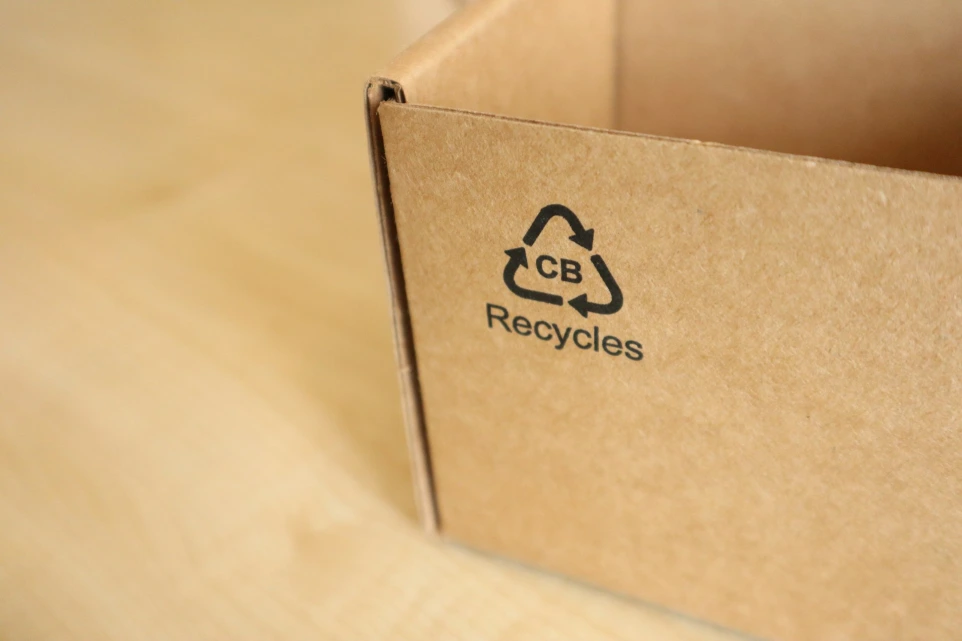
Sustainable Packaging:
Reducing Waste and Creating Value Across the Supply Chain
Introduction
Packaging plays a vital role in modern supply chains. It protects products, enables transportation, ensures product integrity and supports customer experience. However, packaging is also one of the most visible sources of waste generated by businesses and consumers. As sustainability becomes a strategic priority, organisations are increasingly rethinking how packaging is designed, used and recovered.
Sustainable Packaging focuses on reducing environmental impact throughout the entire packaging lifecycle
—from raw material sourcing and production to transportation, reuse, recycling and disposal. For Luxembourg's logistics ecosystem, sustainable packaging represents a powerful lever to reduce waste, lower carbon emissions and support the transition towards a circular economy.
What is Sustainable Packaging?
Sustainable packaging is packaging that is designed and managed to minimise its environmental footprint while maintaining its functionality and economic viability.
A sustainable packaging solution typically seeks to:
- Reduce material consumption.
- Use renewable or recycled materials.
- Minimise waste generation.
- Enable reuse and recycling.
- Reduce transportation emissions.
- Protect products efficiently.
- Support circular economy principles.
The objective is not only to replace traditional packaging materials but also to rethink packaging systems to make them more resource-efficient and environmentally responsible.
Why Sustainable Packaging Matters
Packaging accounts for a significant share of global material consumption and waste generation. Growing environmental awareness, regulatory developments and customer expectations are encouraging businesses to adopt more sustainable solutions.
Implementing sustainable packaging can deliver several benefits:
- Reduced waste management costs.
- Lower carbon footprint.
- Improved resource efficiency.
- Enhanced brand reputation.
- Compliance with environmental regulations.
- Increased customer satisfaction.
- Support for corporate ESG objectives.
For logistics companies, packaging optimisation also creates operational efficiencies by reducing weight, improving load utilisation and lowering transportation costs.
The Key Principles of Sustainable Packaging
Reduce
The most sustainable packaging is often less packaging.
Businesses can reduce packaging impacts by:
- Eliminating unnecessary materials.
- Optimising package dimensions.
- Reducing packaging weight.
- Simplifying packaging structures.
- Designing products that require less protective packaging.
Smaller and lighter packaging not only reduces material consumption but also decreases transportation-related emissions.
Reuse
Reusable packaging solutions help extend the lifecycle of packaging materials and reduce waste generation.
Examples include:
- Reusable pallets.
- Returnable transport packaging.
- Plastic crates and containers.
- Refillable containers.
- Reusable shipping boxes.
For business-to-business logistics operations, reusable packaging systems can significantly reduce long-term environmental impacts while generating cost savings.
Recycle
Designing packaging for recyclability is a fundamental component of sustainable packaging strategies.
Best practices include:
- Using mono-material packaging where possible.
- Avoiding difficult-to-separate materials.
- Clearly communicating recycling instructions.
- Increasing recycled content in packaging.
Packaging that can easily re-enter material recovery streams contributes to a more circular and resource-efficient economy.
Renew
Many organisations are transitioning from fossil-based materials towards renewable alternatives.
Examples include:
- Certified paper and cardboard.
- Plant-based packaging materials.
- Bio-based plastics.
- Agricultural waste fibres.
Renewable materials can help reduce dependence on finite resources while supporting decarbonisation objectives.
Sustainable Packaging and Logistics
Packaging and logistics are closely interconnected. The design of packaging directly influences transport efficiency, storage requirements and overall supply chain performance.
Optimised Transportation
Efficient packaging design enables:
- Better vehicle utilisation.
- Reduced empty space during transport.
- Increased loading capacity.
- Lower fuel consumption.
- Reduced greenhouse gas emissions.
Even small improvements in packaging dimensions can create significant environmental and economic benefits across large distribution networks.
Improved Warehouse Efficiency
Well-designed packaging supports:
- Better palletisation.
- More efficient storage.
- Reduced product damage.
- Faster handling operations.
- Lower operational costs.
Sustainable packaging therefore contributes to both environmental performance and operational excellence.
Sustainable Materials in Packaging
Innovative materials are helping businesses reduce their environmental footprint while maintaining packaging performance.
Common sustainable packaging materials include:
Recycled Paper and Cardboard
Widely used and highly recyclable, paper-based solutions remain among the most sustainable packaging options for many applications.
Recycled Plastics
Using recycled plastic reduces demand for virgin materials and supports the development of circular material streams.
Biodegradable Materials
Certain packaging solutions are designed to break down naturally under specific conditions, reducing long-term environmental impact.
Compostable Packaging
Made from renewable resources, compostable packaging can offer an alternative for selected applications where organic waste recovery systems are available.
The suitability of each material depends on product requirements, supply chain conditions and end-of-life treatment options.
The Role of Innovation and Digitalisation
Technology is accelerating the transition towards more sustainable packaging systems.
Innovations include:
- Smart packaging solutions.
- Digital product passports.
- QR codes for recycling guidance.
- Packaging traceability systems.
- AI-driven packaging optimisation.
- Advanced material development.
Digital tools allow companies to monitor packaging performance, improve recovery rates and identify opportunities for further sustainability improvements.
Sustainable Packaging and the Circular Economy
Sustainable packaging is an essential element of the circular economy.
Instead of following a traditional "take-make-dispose" model, circular packaging systems aim to keep materials in productive use for as long as possible.
This can be achieved through:
- Reuse systems.
- Repairable transport packaging.
- Recycling programmes.
- Closed-loop material recovery.
- Packaging take-back schemes.
By viewing packaging as a valuable resource rather than waste, businesses can create more sustainable and resilient supply chains.
Opportunities for Luxembourg
Luxembourg is well positioned to become a leader in sustainable packaging innovation thanks to its strategic location, international logistics expertise and commitment to sustainability.
Potential areas of development include:
- Reusable packaging networks for cross-border logistics.
- Circular packaging initiatives across supply chains.
- Sustainable packaging research and innovation.
- Green warehousing solutions.
- Packaging recovery and recycling partnerships.
- Collaborative logistics platforms supporting packaging reuse.
As environmental expectations continue to grow, sustainable packaging will become an increasingly important competitive differentiator for businesses operating in Luxembourg and across Europe.
Challenges to Address
Despite its benefits, sustainable packaging implementation can involve challenges such as:
- Upfront investment costs.
- Supply chain adaptation.
- Material availability.
- Consumer behaviour changes.
- Reverse logistics requirements for reusable systems.
- Balancing sustainability with product protection.
Successful adoption requires collaboration between manufacturers, retailers, logistics providers, packaging suppliers and customers.
Looking Ahead
The future of packaging will be shaped by circularity, innovation and resource efficiency. Businesses that invest in sustainable packaging today will be better prepared to meet regulatory requirements, customer expectations and corporate sustainability commitments tomorrow.
For the logistics sector, sustainable packaging offers a unique opportunity to reduce environmental impact while improving operational performance and creating long-term value across the supply chain.
Knowledge Hub Takeaway
Sustainable Packaging is more than an environmental initiative
—it is a strategic tool for reducing waste, lowering emissions and improving supply chain efficiency. By embracing packaging solutions that are designed to reduce, reuse, recycle and renew, businesses can accelerate their sustainability journey while strengthening competitiveness in a rapidly evolving market.