Transportation
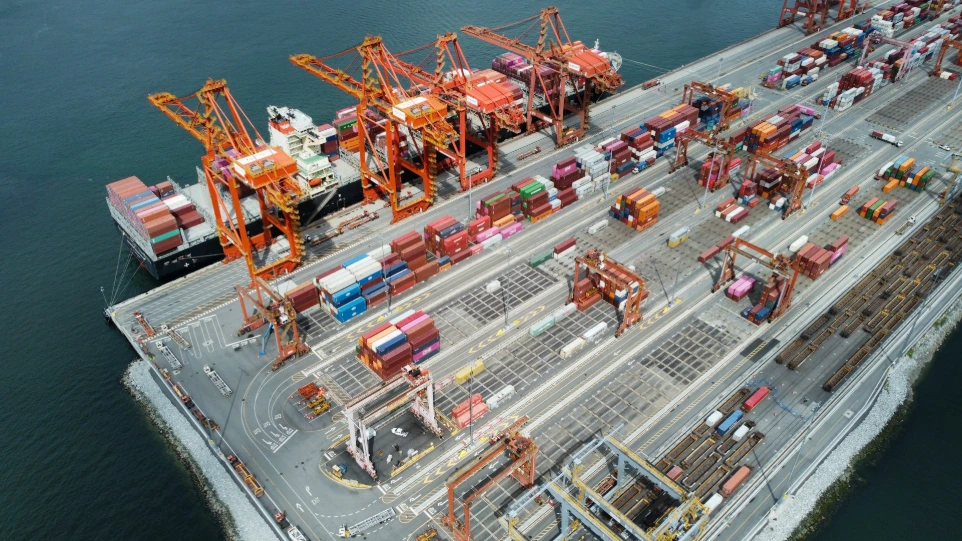
Understanding Transportation Management
What is Transportation Management?
Imagine ordering a product online and being able to track its journey from a warehouse to your doorstep. The planning, execution, and monitoring of that journey is part of Transportation Management.
Transportation Management is the process of planning, coordinating, executing, and optimizing the movement of goods from one location to another. It ensures products are delivered efficiently, safely, cost-effectively, and on time throughout the supply chain.
Transportation connects suppliers, manufacturers, warehouses, distribution centers, retailers, and customers, making it one of the most critical functions within Supply Chain Management.
"Transportation is the bridge that connects supply with demand and transforms inventory into customer value."
The Role of Transportation in the Supply Chain
Without transportation, products cannot move through the supply chain.
Supplier to Manufacturer
Raw materials and components are transported to production facilities.
Manufacturer to Warehouse
Finished goods are moved to storage or distribution centers.
Warehouse to Customer
Products are delivered to retail stores, businesses, or end consumers.
Global Trade Enablement
Transportation enables the movement of goods across countries and continents.
Reverse Logistics
Returns, repairs, recycling, and product recovery activities depend on transportation networks.
Why is Transportation Important?
Efficient transportation directly impacts business performance and customer satisfaction.
✅ Improves Customer Service
Reliable transportation ensures products arrive when promised.
✅ Supports Business Growth
Companies can expand into new markets by leveraging effective transportation networks.
✅ Reduces Supply Chain Costs
Transportation optimization helps lower freight and operational expenses.
✅ Enables Global Trade
Businesses can source materials and sell products globally.
✅ Increases Supply Chain Visibility
Modern transportation systems provide real-time tracking and status updates.
✅ Enhances Competitiveness
Fast, reliable delivery has become a key differentiator in today's marketplace.
Transportation Modes
Different transportation modes serve different business requirements.
Road Transportation
The most flexible mode of transportation.
Common Uses
- Regional distribution
- Last-mile delivery
- Domestic shipments
Advantages
✅ Flexible routes
✅ Door-to-door service
✅ Fast transit for short distances
Challenges
⚠️ Traffic congestion
⚠️ Driver shortages
⚠️ Fuel costs
Rail Transportation
Ideal for transporting large volumes over long distances.
Common Uses
- Bulk commodities
- Industrial products
- Intermodal shipments
Advantages
✅ Cost-effective
✅ Environmentally friendly
✅ High carrying capacity
Challenges
⚠️ Limited flexibility
⚠️ Fixed rail infrastructure
Ocean Freight
The backbone of international trade.
Common Uses
- Global imports and exports
- Containerized cargo
- Bulk shipments
Advantages
✅ Lowest cost per unit
✅ Very high capacity
✅ Suitable for long distances
Challenges
⚠️ Longer transit times
⚠️ Port congestion
⚠️ Weather disruptions
Air Freight
The fastest transportation mode.
Common Uses
- High-value goods
- Urgent shipments
- Pharmaceuticals
- Electronics
Advantages
✅ Fast transit times
✅ High reliability
✅ Global reach
Challenges
⚠️ High costs
⚠️ Limited cargo capacity
Intermodal Transportation
Combines multiple transportation modes within a single shipment journey.
Advantages
✅ Improved efficiency
✅ Lower costs
✅ Reduced environmental impact
✅ Better network flexibility
Key Transportation Challenges
Modern transportation networks face increasing complexity and uncertainty.
1. Rising Transportation Costs
Transportation costs continue to be influenced by:
- Fuel prices
- Equipment costs
- Labor expenses
- Infrastructure fees
Impact
- Reduced profitability
- Increased product costs
2. Capacity Constraints
Transportation demand can exceed available capacity.
Examples include:
- Peak seasons
- Port congestion
- Equipment shortages
- Driver shortages
Impact
- Delays
- Higher freight rates
- Service disruptions
3. Supply Chain Disruptions
Transportation networks are vulnerable to:
- Natural disasters
- Geopolitical conflicts
- Border restrictions
- Labor strikes
- Extreme weather conditions
Impact
- Delayed deliveries
- Increased costs
- Reduced reliability
4. Last-Mile Delivery Complexity
The final delivery stage is often the most expensive and difficult.
Challenges include:
- Urban congestion
- Failed deliveries
- Increasing customer expectations
- Delivery time windows
Impact
- Higher operational costs
- Customer dissatisfaction
5. Lack of Visibility
Without real-time information, organizations struggle to proactively manage transportation activities.
Impact
- Limited control
- Delayed decision-making
- Poor customer communication
6. Sustainability Requirements
Companies face increasing pressure to reduce transportation-related emissions.
Focus areas include:
🌱 Alternative fuels
🌱 Electric vehicles
🌱 Green logistics
🌱 Route optimization
Impact
- Additional investments
- New regulatory requirements
7. Regulatory Compliance
Transportation operations must comply with various regulations including:
- Customs requirements
- Safety standards
- Environmental legislation
- Trade regulations
Impact
- Administrative complexity
- Compliance risks
Transportation Best Practices
Leading organizations continuously improve transportation performance through proven best practices.
1. Implement a Transportation Management System (TMS)
A Transportation Management System helps plan, execute, and optimize freight movements.
Benefits
✅ Cost optimization
✅ Route planning
✅ Carrier management
✅ Real-time visibility
✅ Performance monitoring
2. Optimize Route Planning
Advanced route optimization considers:
- Distance
- Traffic patterns
- Delivery schedules
- Vehicle capacity
Benefits
✅ Lower transportation costs
✅ Reduced fuel consumption
✅ Faster deliveries
3. Improve Shipment Consolidation
Combining multiple shipments reduces transportation costs.
Benefits
✅ Better asset utilization
✅ Fewer trips
✅ Lower emissions
✅ Reduced freight spend
4. Strengthen Carrier Relationships
Strategic partnerships with carriers create long-term value.
Benefits
✅ Improved service quality
✅ Better capacity availability
✅ Enhanced collaboration
✅ Greater operational stability
5. Leverage Real-Time Visibility
Modern transportation networks use:
- GPS tracking
- IoT sensors
- Control Towers
- Predictive analytics
Benefits
✅ Shipment visibility
✅ Early disruption detection
✅ Better customer communication
6. Build Transportation Resilience
Successful organizations prepare for disruptions.
Strategies
- Multi-carrier sourcing
- Alternative routes
- Contingency plans
- Risk monitoring
Benefits
✅ Greater reliability
✅ Faster recovery from disruptions
7. Focus on Sustainability
Transportation sustainability initiatives include:
🌱 Electric fleets
🌱 Alternative fuels
🌱 Carbon monitoring
🌱 Network optimization
🌱 Intermodal transportation
Benefits
✅ Lower emissions
✅ ESG compliance
✅ Cost savings
8. Measure and Continuously Improve
Monitor transportation performance through meaningful KPIs.
Key Metrics
- On-Time Delivery Performance
- Transportation Cost per Shipment
- Freight Cost per Unit
- Carrier Performance
- Transit Time
- Vehicle Utilization
- Carbon Emissions per Shipment
"What gets measured gets improved."
Transportation Technologies Shaping the Future
Transportation is becoming increasingly digital and intelligent through technologies such as:
Artificial Intelligence (AI)
Supports route optimization, predictive planning, and demand forecasting.
Internet of Things (IoT)
Provides real-time tracking of vehicles, shipments, and assets.
Advanced Analytics
Improves decision-making through data-driven insights.
Autonomous Vehicles
Expected to improve efficiency and reduce operational costs in the future.
Transportation Control Towers
Provide end-to-end visibility across transportation networks.
Predictive ETA Solutions
Improve delivery accuracy and customer communication.
Transportation in the Digital Age
Today's transportation networks are becoming:
✅ More visible
✅ More connected
✅ More sustainable
✅ More resilient
✅ More customer-focused
✅ More data-driven
Organizations that embrace digital transportation solutions are better equipped to manage disruptions, control costs, and meet rising customer expectations.
Key Takeaway
Transportation Management is the strategic planning, execution, and optimization of the movement of goods across the supply chain, ensuring products are delivered safely, efficiently, cost-effectively, and on time.
Think About It
Every product you use
—whether it's a smartphone, a cup of coffee, a vehicle, or medical supplies
—has traveled through a complex transportation network before reaching you.
Transportation is the lifeline of global commerce, enabling businesses to connect markets, serve customers, and keep supply chains moving.